
Should you choose packed meals, bulk delivery or an on-site kitchen?
Compare three service formats against your premises, shifts and receiving arrangements.
A practical guide to food groups, employee choices and lunch service feedback.
A balanced office meal combines a protein source, a starchy food, vegetables and, where practical, fruit in portions suited to the people eating it. It should also be enjoyable, arrive when employees can eat it and accommodate different dietary needs. Begin with the habits of your workforce rather than assuming that every shift needs the same plate.
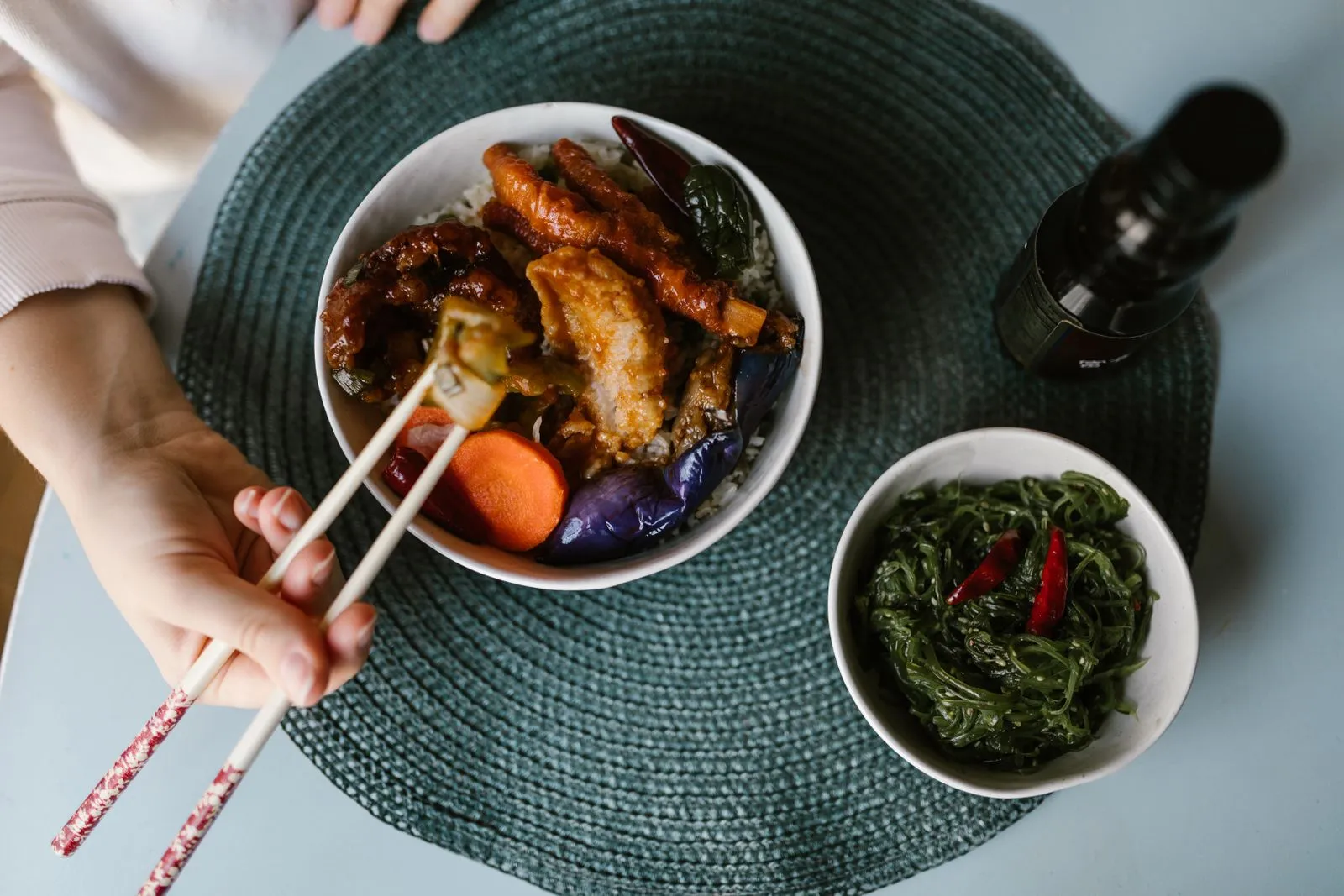
Treat rice or another starchy food as one component rather than the whole meal. Pair it with fish, meat, eggs or beans and seasonal vegetables; add soup and fruit where appropriate. Rotate ingredients and cooking methods so a familiar menu remains interesting. Someone doing physical work may need a different portion from someone at a desk, so discuss serving sizes with the provider instead of prescribing one fixed quantity for everyone.
A short staff survey can establish break times, popular dishes, foods to avoid and the number of diners on each shift. Share the results and expected headcount with the kitchen before agreeing on a weekly menu. Ask how special meals are identified and kept separate, and establish a deadline for changes. A group menu cannot replace individual advice: employees with medical or specific nutritional needs should consult an appropriate professional.
A well-planned menu depends on food being handled and served properly. Agree on delivery times, the receiving point, temperature control and the person responsible for acceptance. For bulk delivery to a dining room, allow time for portioning and avoid leaving food waiting unnecessarily. For individually packed meals, label special choices clearly and tell the receiving team what to do if a package is damaged or a meal is missing.
Review registrations, leftovers and feedback on taste, temperature and convenience each week. Give the kitchen specific observations so the next menu can improve, and check whether the changes made a difference. Office meals may range from 50,000 to 120,000 VND per portion depending on requirements. Share your headcount, service schedule and team's needs with Jolie - Thoáng Việt Premium to develop a suitable plan together.
Compare three service formats against your premises, shifts and receiving arrangements.
Build a practical menu rotation with clear choices and useful employee feedback.
Plan courses around awards, breaks and interaction so guests can enjoy the meal comfortably.