
Should you choose packed meals, bulk delivery or an on-site kitchen?
Compare three service formats against your premises, shifts and receiving arrangements.


Build a practical menu rotation with clear choices and useful employee feedback.
Plan a weekly office menu by confirming daily attendance, rotating main ingredients and cooking methods, and checking that every dish suits the delivery schedule. A visible menu helps employees choose ahead and gives the kitchen a dependable preparation plan. Use one shared registration sheet so the catering coordinator does not have to reconcile orders scattered across individual messages.
Record expected diners, lunch breaks and receiving locations for each day. Highlight remote working days, overtime and visiting teams before estimating portions. Keep vegetarian requests and foods to avoid in clearly identified groups with a named coordinator. Where employees order daily, agree a cut-off time and a procedure for late changes. A version date on the sheet helps everyone work from the same numbers.
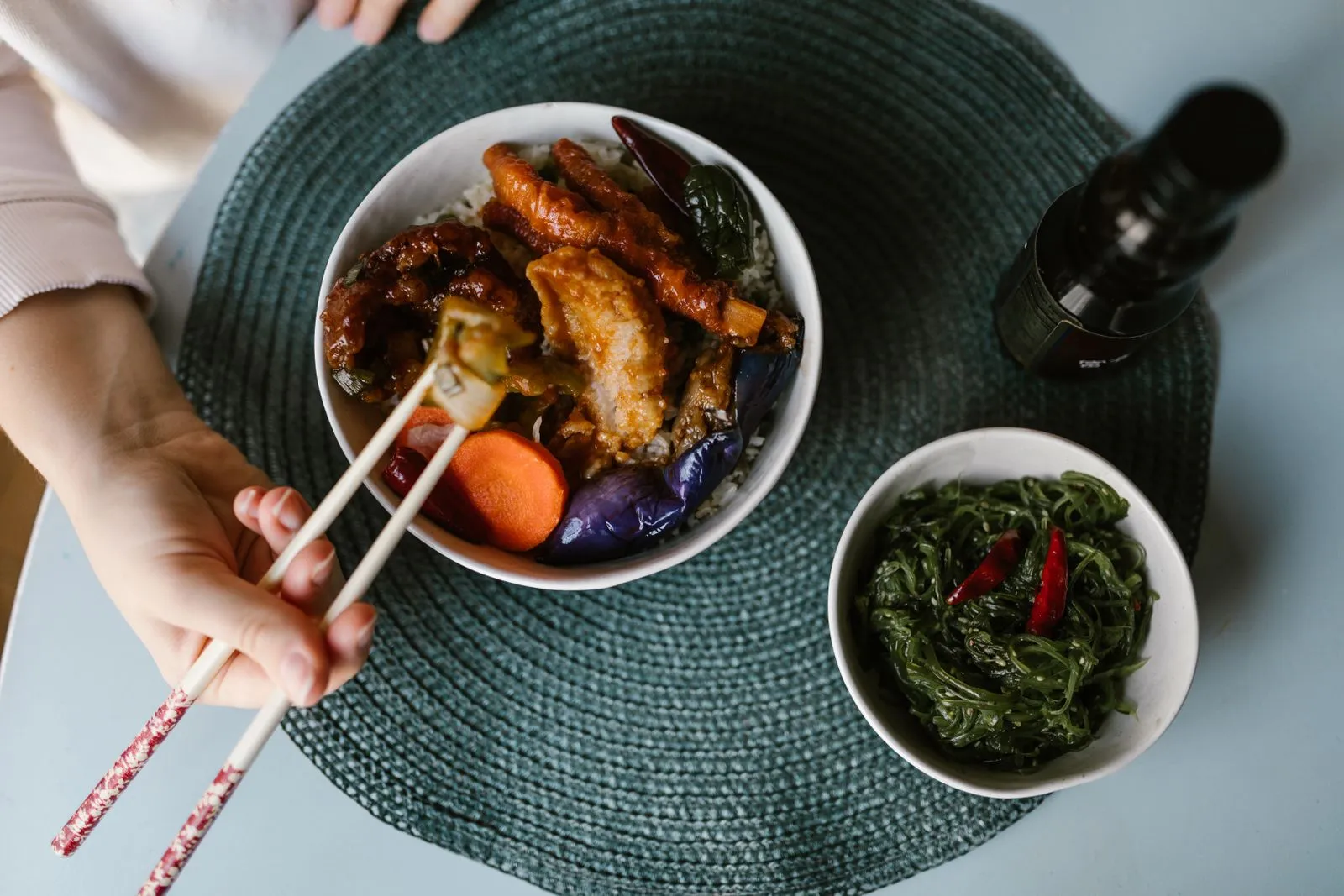
A discussion draft might pair ginger chicken on Monday with steamed fish on Tuesday, tofu and mushrooms on Wednesday, a vegetable stir-fry with meat on Thursday and a familiar rice dish on Friday. Treat this as a starting point for the kitchen. Check whether sauces, fried dishes or the same vegetables keep recurring: different names alone do not necessarily make lunches feel varied.
Review how dishes travel as well as how they sound. Soft vegetables and crisp coatings can change during delivery, so sample a packed meal at the intended lunchtime. Ask the kitchen to propose alternatives when seasonal ingredients are unavailable or unsuitable. Record substitutions on the latest menu and tell the receiving team which meals changed, especially when an employee requested a specific option.
At the end of the week, note dishes that ran out, rice portions frequently left behind and specific comments about flavour. Ask which meal each respondent ate before grouping opinions. Observe two menu cycles to distinguish a consistent preference from one inconvenient service day. Keep the review short enough that the coordinator and kitchen can turn it into concrete changes.
Send Jolie - Thoáng Việt Premium your working schedule, portions per shift, proposed choices and delivery conditions. Request a trial week with a named person collecting feedback. After the trial, agree the revised rotation and substitution process before extending service across the office. This gives employees a predictable choice and gives both teams a clear basis for checking the next round of lunches.

Compare three service formats against your premises, shifts and receiving arrangements.
A practical guide to food groups, employee choices and lunch service feedback.

Plan courses around awards, breaks and interaction so guests can enjoy the meal comfortably.